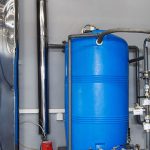


Nobody really thinks about the water heater until the shower turns cold halfway through. Then it becomes the biggest problem in the house. Most water heaters do not quit without warning, though. They usually give small signs first, like odd sounds, rusty water, weak hot water, or a little leak near the tank. The trouble is, those signs are easy to miss during a busy week. A bit of simple care can help your water heater last longer and save you from a bad surprise. Here is what to watch for, and what can help keep it working right.
Set the Right Water Temperature
Your water heater temperature matters more than many people think. If the setting is too high, the unit works harder than needed. Also, high heat can raise energy use and increase scald risk. If the setting is too low, your hot water may not feel right. So, many homes do well near 120 degrees. This setting can help balance comfort, safety, and savings.
First, check your water heater manual. Then, look at the control dial or digital panel. If you feel unsure, do not guess. Ask a trained plumber to check it. This is smart if your unit is gas, older, or hard to reach.
Also, remember that every home is different. Large families may use more hot water. However, turning the heat way up is not always the best answer. Instead, good care and the right tank size often work better.
Flush the Tank to Remove Sediment
Sediment is one of the biggest reasons water heaters lose power over time. Minerals in water can settle at the bottom of the tank. Then, the burner or heating part has to work harder. Because of that, your water may heat more slowly. You may also hear popping or rumbling sounds.
Flushing the tank helps remove this buildup. However, this job must be done with care. Hot water can burn skin. Also, older valves may leak after they are opened.
Here are signs your tank may need flushing:
- Popping, cracking, or rumbling sounds
- Hot water that runs out too fast
- Cloudy or rusty-looking hot water
- Higher energy bills with no clear reason
- Slow recovery after showers or laundry
For many homes, yearly flushing can help. Still, hard water areas may need it more often. If your water heater has not been flushed in years, call a pro first. That way, you avoid turning a small issue into a leak.
Check for Leaks Before They Get Worse
A small water heater leak can turn into a big problem. So, check around the tank often. Look near the base, pipe connections, drain valve, and relief valve. Also, check the floor around the unit. Even a small wet spot matters.
At first, a leak may seem harmless. However, water can damage flooring, walls, and stored items. It can also lead to mold if ignored. So, act early.
If you see water, dry the area and check again later. If the moisture comes back, you likely have a real leak. Also, listen for dripping sounds. Sometimes, you hear a leak before you see one.
Do not ignore rust on the tank. Rust may mean the metal is breaking down. In many cases, a leaking tank cannot be repaired safely. Still, a leaking valve or pipe may be fixable. A plumber can tell the difference.
Test the Pressure Relief Valve
The pressure relief valve is a key safety part. It helps release pressure if the tank gets too hot or too full of pressure. Because of that, it helps protect your home and the water heater.
This valve is usually on the side or top of the tank. It has a small lever and a pipe running down from it. However, testing it can release hot water. So, use care. If you do not feel safe, let a plumber handle it.
- What the valve should do
When tested correctly, water should flow through the discharge pipe. Then, the valve should close fully. If it keeps leaking, it may need repair or replacement.
- When to get help
Call for help if the valve is stuck, leaking, rusty, or missing a proper pipe. Also, get help if you hear banging sounds from the tank. Safety parts should never be ignored.
Give the Water Heater Room to Breathe
Your water heater needs space around it. This is very important for gas water heaters. They need air for safe burning. Also, all water heaters need a clear space for service and inspection.
Many people use the water heater area for storage. But boxes, paint cans, tools, and cleaning supplies can cause trouble. They can block airflow. They can also hide leaks. In some cases, stored items can create a fire risk near gas units.
Keep the area around your water heater clean. Also, make sure you can see the floor around the tank. That way, you can spot water early.
Try these simple habits:
- Keep boxes away from the tank
- Do not hang items on pipes
- Store chemicals in another safe place
- Keep the drain pan clear
- Make sure vents are not blocked
This small step makes service easier, too. So, if a plumber needs to inspect the unit, they can work faster and safer.
Know the Warning Signs of Trouble
Your water heater often gives clues before it fails. So, pay attention to small changes. Catching problems early can help you avoid bigger repairs.
One clear sign is rusty hot water. This may point to rust inside the tank or pipes. Another sign is hot water that runs out quickly. This may mean sediment buildup or a failing heating part. Also, strange sounds can mean mineral buildup.
Bad smells matter too. A rotten egg smell from hot water may come from bacteria in the tank. However, if you smell gas near a gas water heater, leave the area and call for emergency help right away.
Watch for these warning signs:
- No hot water
- Water takes too long to heat
- Hot water turns cold too fast
- Leaks near the tank
- Rust on fittings or tank parts
- Loud popping or banging sounds
- Bad smell from the hot water
Because these signs can mean different things, do not guess for long. A trained check can save time and stress.
Simple care makes a real difference. Keep the temperature safe, watch for leaks, flush the tank when needed, and call for help when signs appear. If you need water heater installation, repair, or honest service advice, Clear Waters Plumbing can help with residential and commercial plumbing needs.